
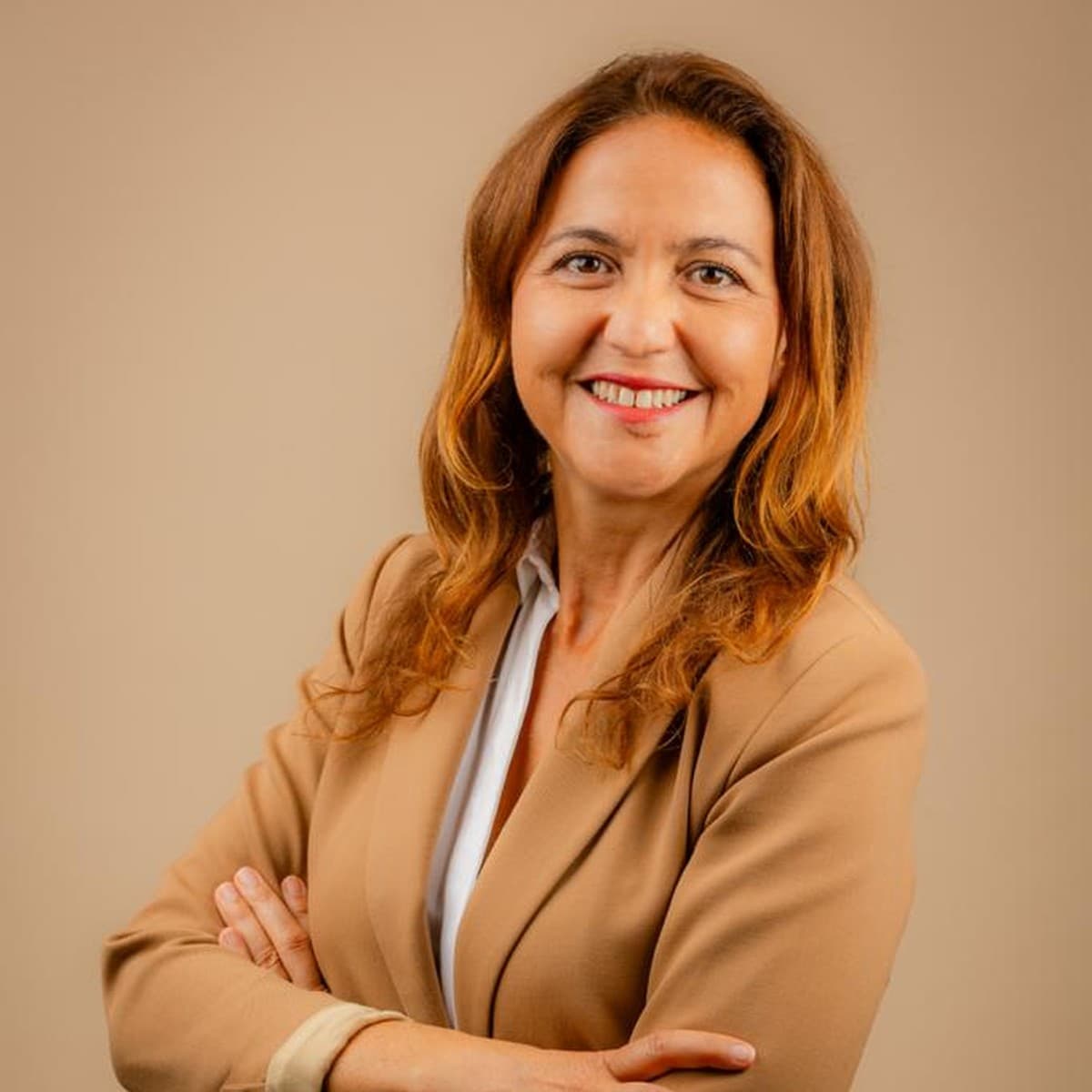
Safia Agueni
Adoption, governance, and ecosystems in regulated healthcare
Co-Founder and Senior Partner of HealthSeed AG in Zurich. Founder and CEO of Women in Tech Switzerland. Formerly Programme Leader for Digital Pathology at Roche.
I spent close to two decades inside Novartis and Roche working on the parts of healthcare that decide whether a technology is allowed to be used: governance, information risk, clinical workflow, and the internal machinery that turns an approved product into something an institution will actually deploy.
That is the work I do now with founders and health systems, across Europe and into the Middle East and North Africa.
What I have run
What I work on
A healthcare technology becomes usable at the moment an institution decides it is safe to use, and that decision is made by people who are not the buyer and not the clinician. It involves an information security review, a data protection assessment, a clinical governance sign-off, a change to somebody's validated workflow, and an internal owner willing to carry the risk of the change. Founders rarely see this layer until it stops them, and by then the pilot has ended and the champion has moved on.
That layer is where I work, and it is a different question from whether the product sells.
- Who inside the institution has to approve this, and what does each of them need to see?
- What happens to the data, and does the answer survive a data protection review in every market being entered?
- Whose workflow changes, who absorbs that cost, and who owns the change after the pilot ends?
- If this uses AI, what governs the model in production, and who is accountable when it drifts?
- What has to be rebuilt when the same product crosses into a different regulatory and cultural setting, and what carries over unchanged?
From regulated enterprise to health ventures
I did not arrive at healthcare through science. I arrived through information risk. The early roles at GE Capital, BNP Paribas, and Jones Lang LaSalle were about how large organisations control information, and that discipline is what Novartis hired.
Fifteen years there took me from information security and compliance into global digital governance, which is the work of deciding how a pharmaceutical company is permitted to use its own data and its own technology. It is unglamorous and it determines what the company can and cannot do. Every digital ambition I saw succeed had a governance answer behind it, and most of the ones that stalled had failed to find one.
Roche moved me from governing technology to deploying it. Digital pathology puts an algorithm inside a diagnostic workflow, which means the clinical evidence, the laboratory's operating procedures, the regulatory position, and the pathologist's confidence all have to line up at once. That programme taught me the thing I now spend most of my time on. Adoption is decided by whether the institution can absorb the change, and the technology is only one of the inputs.
Alongside that, I founded Women in Tech Switzerland in 2021 and have led it as CEO since. Building an institution from a standing start is a distinct skill from running one that already exists, and it is the closest thing in my corporate career to what founders do.
HealthSeed followed from both.
Women in Tech Switzerland
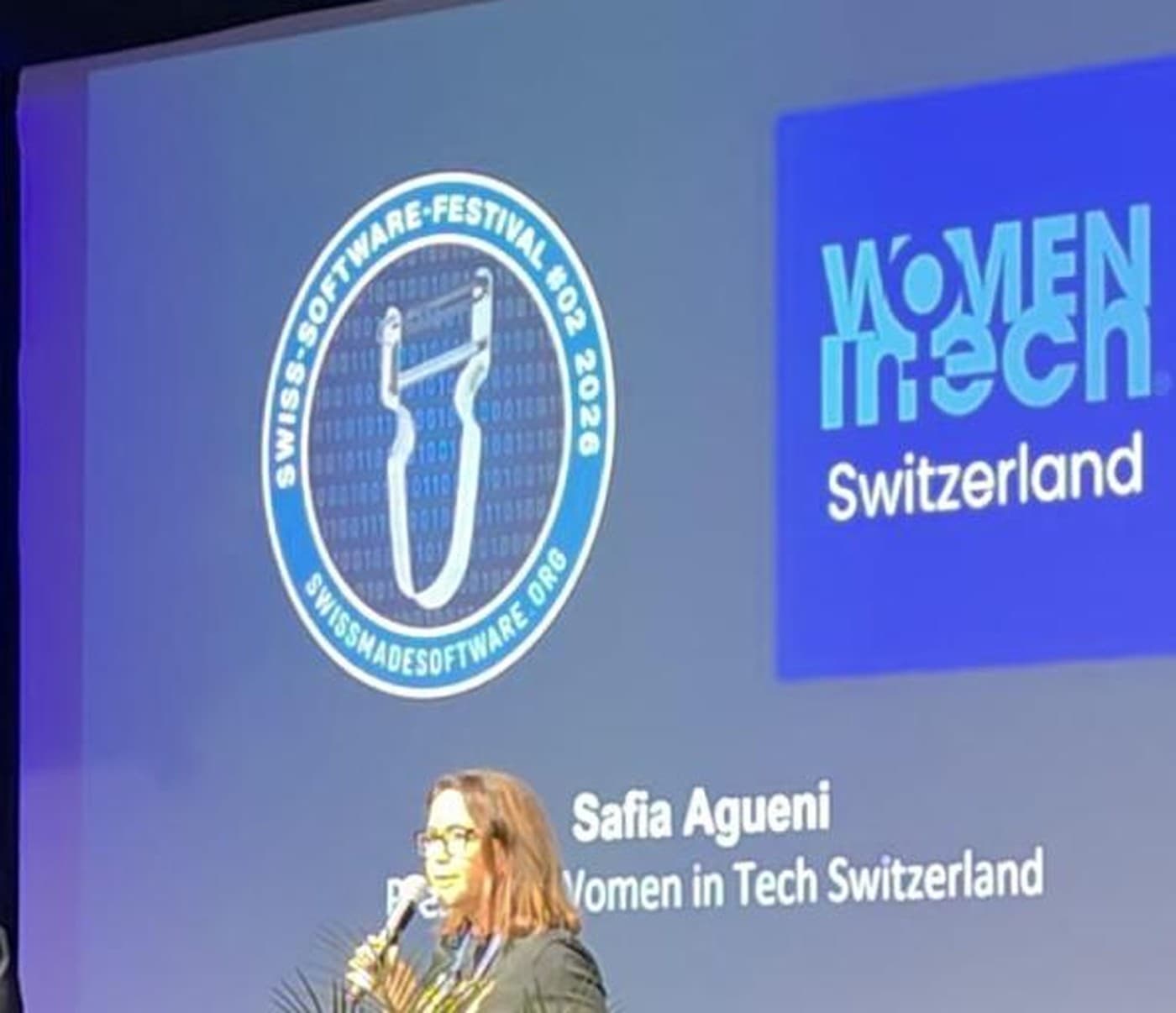
I founded the Swiss chapter of Women in Tech in 2021 with four board members and a handful of corporate partners, while holding a full programme leadership role at Roche. It is now one of the most active chapters in a global organisation of more than fifty-four, running a national events programme with corporate partners including Lonza, and it has been recognised by the global organisation for that.
I serve as its CEO. The role means chairing an executive board of eight, holding the partnerships that fund the work, and representing Switzerland internationally, including at the Women in Tech Global Summit delegation and at the World Woman Davos Agenda, where the chapter is a strategic partner and where I have spoken alongside the President of EPFL and senior executives from Siemens and Zuhlke.
The reason this sits on a page about healthcare is that the two are the same discipline. Building the chapter meant recruiting people with no budget to offer them, putting governance in place before there was anything to govern, and finding institutions that needed the thing to exist as much as I did. A founder taking a regulated product into a health system is solving that same problem with different subject matter.
The chapter was nominated for the Hidden Figures Award 2023 in the non-profit category at the WeTechTogether conference, and I was nominated as Advocate of the Year at the PowerHer Awards in the same year.
HealthSeed
HealthSeed AG is a Swiss healthcare venture and holding company, which I co-founded with Daren Wilson. We are equal co-founders and Senior Partners with shared strategic and operational accountability, and we run the firm across three pillars.
Five positions
Adoption readiness is a property of the health system
A product does not become adoptable by improving. It becomes adoptable when the receiving institution has an owner for the change, a governance route that clears it, and a workflow that can absorb it without breaking something else. Two hospitals in the same country, holding the same evidence and the same budget, will reach opposite decisions on the same technology because one has that scaffolding and the other does not. Assessing the institution is therefore part of assessing the opportunity, and companies that skip it read a stalled pilot as a product problem and rebuild something that was never broken.
Governance is what makes AI deployable, and companies treat it as what slows AI down
Every regulated organisation I have worked inside has a point where an information security review, a data protection assessment, and a clinical sign-off decide whether a technology proceeds. Teams experience that as an obstacle and design around it, which is precisely what makes it slow, because a governance question raised at the end of a build is a redesign. Answered at the start it is a specification. The companies that move fastest through a hospital are the ones that arrived with the answers already written.
A pilot without an internal owner is a demonstration
Pilots convert when somebody inside the institution has their name against the outcome and something to gain from it going well. Where that person is absent, a pilot can run successfully, produce good data, and end, because nobody's responsibility included what happened next. This is the most common reason a technically successful pilot leads to another pilot, and it is visible before the pilot starts, in whether anyone can name the person who will carry it.
What transfers across borders is the evidence, and rarely the pathway
Health systems in Europe and in the Middle East and North Africa differ in procurement, in data residency, in clinical practice, and in who holds authority to approve a change. Clinical evidence usually travels between them, and the route to deployment almost never does. Companies expanding into a new region tend to port the commercial model and rebuild the evidence, when the opposite is what the situation demands. Doing this well is slower than a partnership announcement suggests and it is the difference between a market presence and a market position.
Building an institution is an operating discipline, and it transfers
I founded Women in Tech Switzerland in 2021 with four board members and no budget, in parallel with a full programme leadership role at Roche, and it is now one of the most active chapters in a global organisation of more than fifty-four. The work was recruiting people with nothing to offer them, putting governance in place before there was anything to govern, and finding institutions that needed the thing to exist as much as I did. A founder in their first two years is solving those same problems, and having solved them once is why I can usually tell which of them a company is actually facing.
Areas of expertise
Adoption readiness in regulated healthcare.
Assessing whether a health system can absorb a technology, and what has to change before it can.
Responsible AI governance.
What governs a model in production in a clinical setting, who is accountable, and what a health system needs to see before it will run one.
Digital governance in regulated enterprise.
Fifteen years of deciding how a pharmaceutical company may use its own data and technology.
Digital pathology and AI-enabled diagnostics.
Programme leadership at the point where an algorithm enters a diagnostic workflow.
Ecosystem and coalition building.
Assembling the specialists, partners, and institutions a company needs and cannot employ, built on founding and running a national technology organisation from a standing start.
Europe and MENA cross-border scaling.
What has to be rebuilt when a regulated health product crosses into a different system, and what carries over.
Speaking
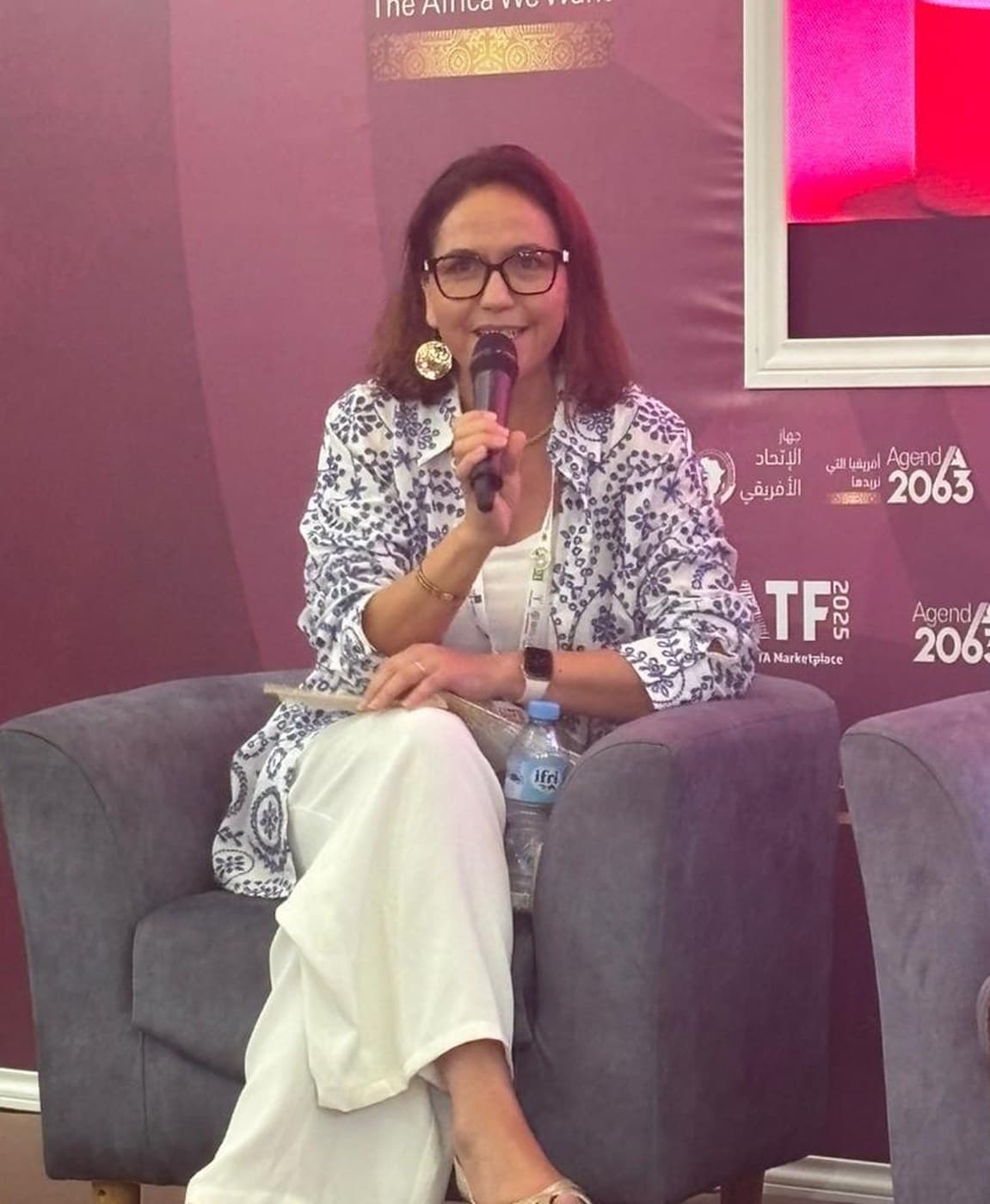
I speak about what has to be true inside an institution before a health technology can be used, and about the governance that makes AI deployable in a clinical setting.
Secondary topics:
Recent platforms include World Woman Davos, Life Sciences Baltics, the Swiss Software Festival, ICT Africa, GITEX with the Swiss delegation, the WomenExecs on Boards forum, and the Narratives of Purpose podcast.