
Daren Wilson
Healthcare commercialisation and adoption
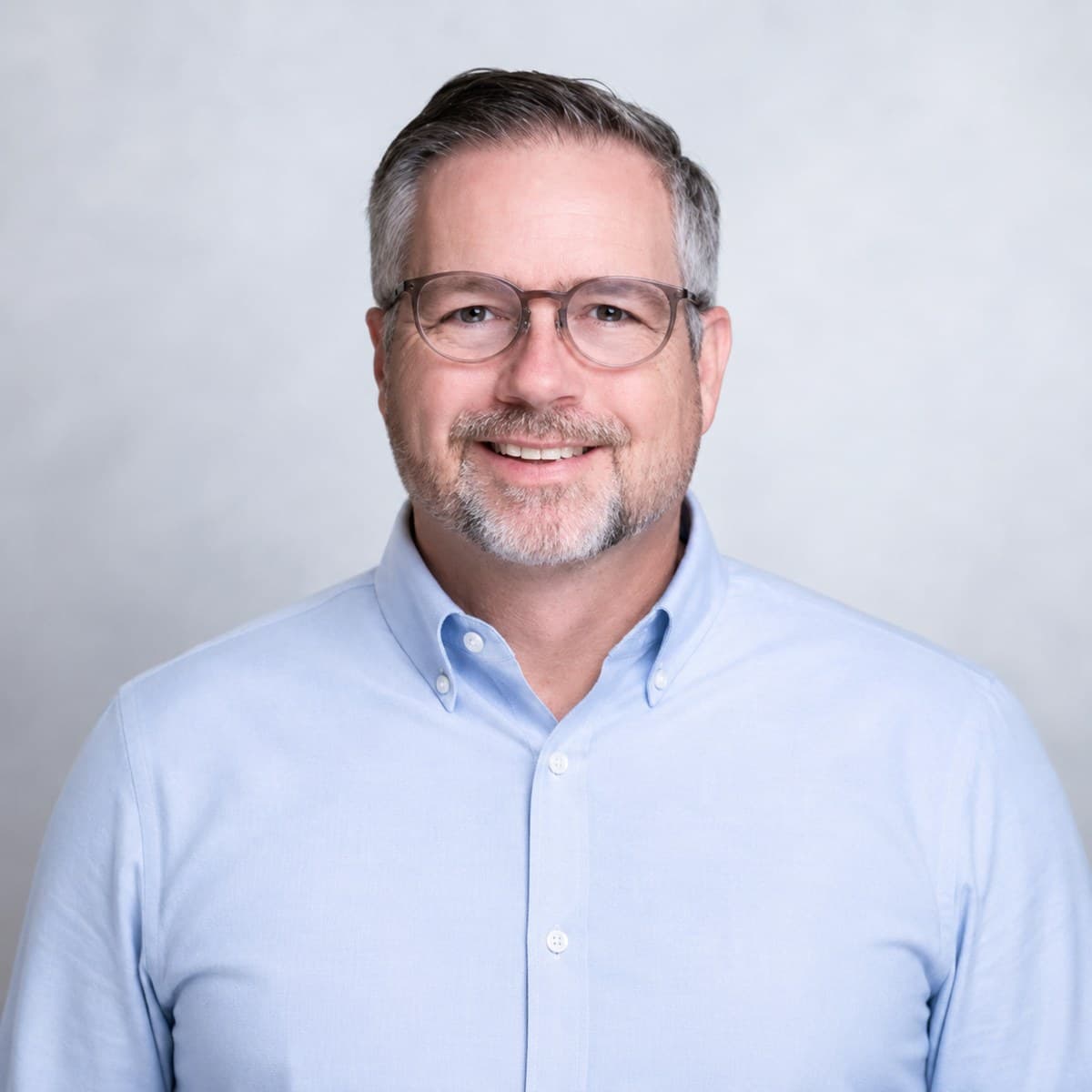
Co-Founder and Senior Partner of HealthSeed AG in Zurich, and a former General Manager at Roche.
I spent twenty-eight years inside pharmaceutical companies learning how healthcare systems actually buy innovation, and I now work with the companies trying to sell it to them.
The work runs across MedTech, diagnostics, digital health, biotech, and AI-enabled healthcare, and it concentrates on one point in a company's life: the distance between a technology that has been proven and a technology that a health system has decided to use.
What I have run
What I work on
Commercialising a healthcare product is a different exercise from commercialising most technologies, because the buyer is rarely a single party. A company usually has to satisfy a clinical evidence standard, a regulatory pathway, a reimbursement decision, a procurement process, and a change to somebody's working day, each held by a different institution with its own timetable. A product can clear every technical hurdle and still find that nobody has a budget line for it.
That is the territory I work in, and the questions that decide it are consistent across sectors.
- Who carries the problem this solves, and who currently pays for the consequences of it going unsolved?
- What evidence will make a payer, a procurement committee, and a clinical lead each say yes, and are those three the same evidence?
- Which market first, and what does the first market have to prove for the second to become easier?
- What changes in a clinician's day when this is adopted, and who absorbs that cost?
- What separates a pilot that leads to a contract from a pilot that leads to another pilot?
From global pharma to healthcare venture building
My career began in Canada in 1995, selling cardiovascular and metabolic medicines for Servier, and moved through Merck Frosst into Novartis, where nine years took me from sales-force automation to Global Director in oncology product strategy in the United States. Roche brought me to Switzerland in 2012 for global product strategy, then into general management in Thailand, Indonesia, Belgium, and Slovakia, through to 2023. I co-founded HealthSeed in Zurich.
Working across those markets taught me the thing that shapes how I work now. Adoption is decided by the health system, and the health system decides on its own terms. In Thailand, growing the oncology portfolio by 8.2% to USD 58 million came down to access negotiations with government and to what the leading medical experts were willing to defend. In Slovakia, the constraint on patient access was the country's mechanism for funding innovative medicines.
The other thing those years taught me is what a large organisation cannot see from the inside. Roche Slovakia had capability that any startup would want, and the startups I began meeting through HealthCare Lab had urgency and invention that no affiliate could reproduce. The founders were not short of technology. They were working out which market to enter, what evidence would satisfy a payer, how to price, and why a hospital that liked the product was still not buying it. Those questions decide whether an invention reaches a patient, and almost nobody was helping founders answer them with operating experience behind the advice.
That is why I left, and it is what HealthSeed was built to do.
HealthSeed
HealthSeed AG is a Swiss healthcare venture and holding company, which I co-founded with Safia Agueni. We are equal co-founders and Senior Partners, and we run the firm across three pillars.
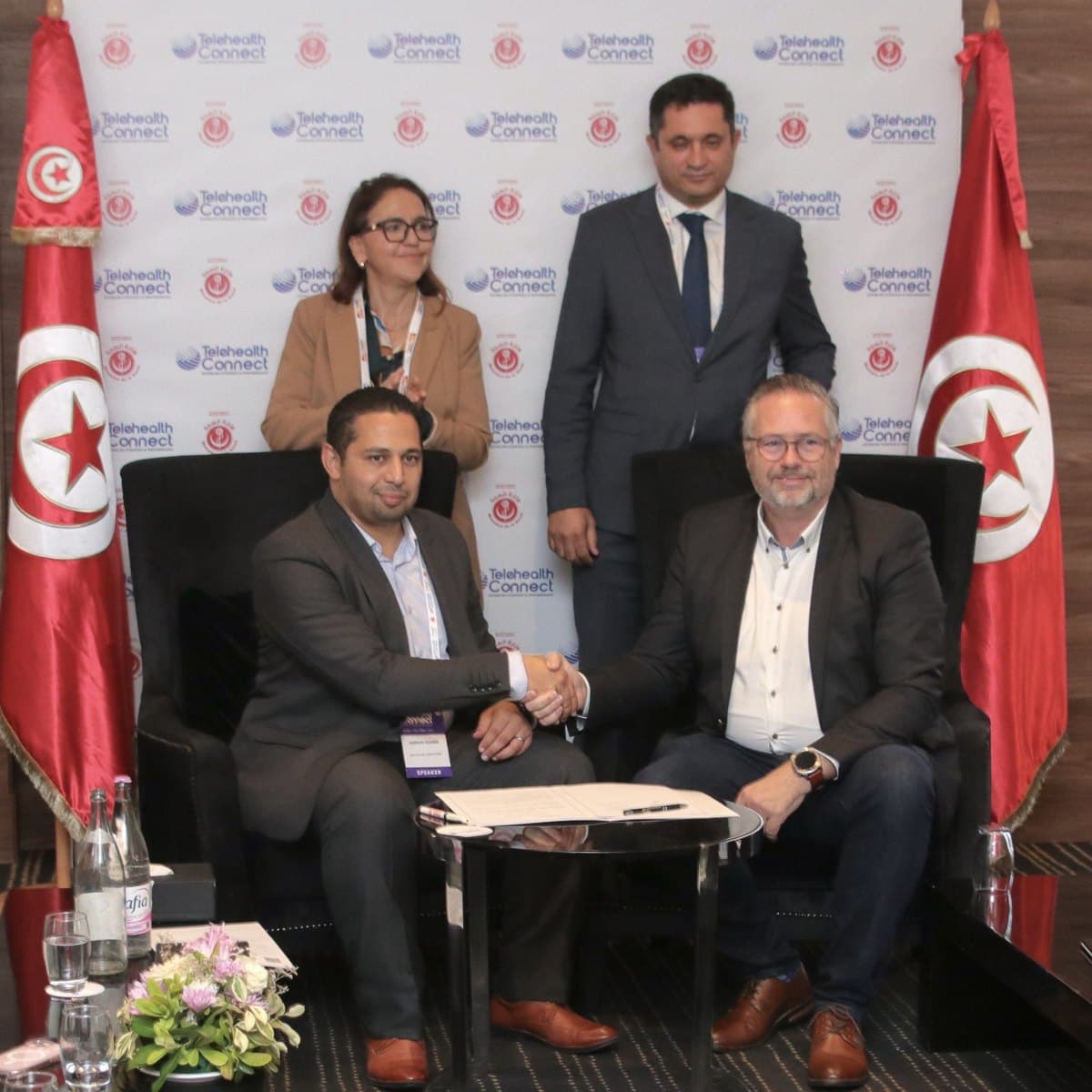
On 30 September 2026 we signed a memorandum of understanding with HealthCare Innovation in Tunisia, at the Telehealth Connect Summit in Tunis. It runs in both directions: helping Tunisian health companies build the evidence and the pathways they need to enter Switzerland and Europe, and identifying Swiss and European innovation that could strengthen healthcare in Tunisia.
Five positions
Regulatory approval creates permission and nothing else
Approval means a company may sell. Reimbursement decisions, hospital procurement cycles, and inclusion in a clinical pathway each run on their own evidence requirements and their own calendars, and none of them starts when the CE mark or the marketing authorisation arrives. A device cleared in March can sit outside a national tariff for two years while the company burns the round that funded the clearance. Commercial strategy has to begin while the clinical strategy is still being designed, because the evidence a payer wants is frequently not the evidence a regulator asked for, and by the time that difference becomes visible the trial has closed.
Validation and adoption are separate problems, and the second is harder
Demonstrating that a technology works is a question a company can answer on its own, with its own money, on its own timetable. Demonstrating that a health system will change its behaviour to use it depends on people the company does not employ and cannot instruct. I have watched products with unambiguous clinical data stall because adopting them meant a hospital reorganising a clinic's workflow, and nobody in that hospital owned the decision to do it.
Healthcare adoption is a system problem
Six parties usually have to align before a healthcare product reaches scale: the patient who benefits, the clinician who uses it, the institution that buys it, the payer who funds it, the regulator who governs it, and the investor who finances the company. Each has a different definition of value, and a commercial plan that satisfies only one of them will stop at the next. The work of commercialisation is largely the work of finding the version of the value case that all six can accept. That search takes longer than most funding plans allow, and a first commercial hire cannot carry it alone.
Europe is a sequence of health systems, entered one at a time
Companies do not commercialise into Europe. They commercialise into Germany, then into France, then into the Nordics, and each of those is a separate reimbursement mechanism, a separate evidence expectation, and a separate procurement culture. Sequencing therefore becomes a strategic decision rather than an operational one, because the first market sets the reference price, produces the reference evidence, and either makes the second market easier or makes it considerably harder. Choosing the wrong first market is among the most expensive mistakes a European healthcare company can make, and it is usually made for reasons of convenience.
AI changes how healthcare companies commercialise, and it does not reduce health-system complexity
AI is already changing evidence synthesis, regulatory intelligence, market analysis, and the economics of running a commercial organisation, and a company of fifteen people can now hold capability that used to require a hundred. The health system on the other side of the transaction has not changed at the same rate. Payers still want comparative evidence, procurement still runs on tenders, and clinicians still adopt what their peers adopt. The opportunity is in what AI does to the cost and speed of preparing for those decisions, and the mistake is assuming it changes the decisions themselves.
Areas of expertise
Healthcare commercialisation.
Moving a company from technical validation towards adoption, revenue, and a commercial model that repeats.
European market entry and sequencing.
Deciding which health system first, on what evidence, and at what price, with the consequences for the markets that follow.
Market access and reimbursement strategy.
Built from twenty-eight years of doing it inside pharmaceutical companies in Europe, Asia, and North America.
Healthcare venture building.
Turning unmet clinical need and available capability into companies that can hold equity value.
Pharmaceutical and life sciences commercial leadership.
Global product strategy, launch, portfolio management, and general management of country affiliates.
AI-enabled healthcare commercialisation.
Where machine capability changes how a healthcare company is built, and where the health system's requirements stay exactly as they were.
Speaking
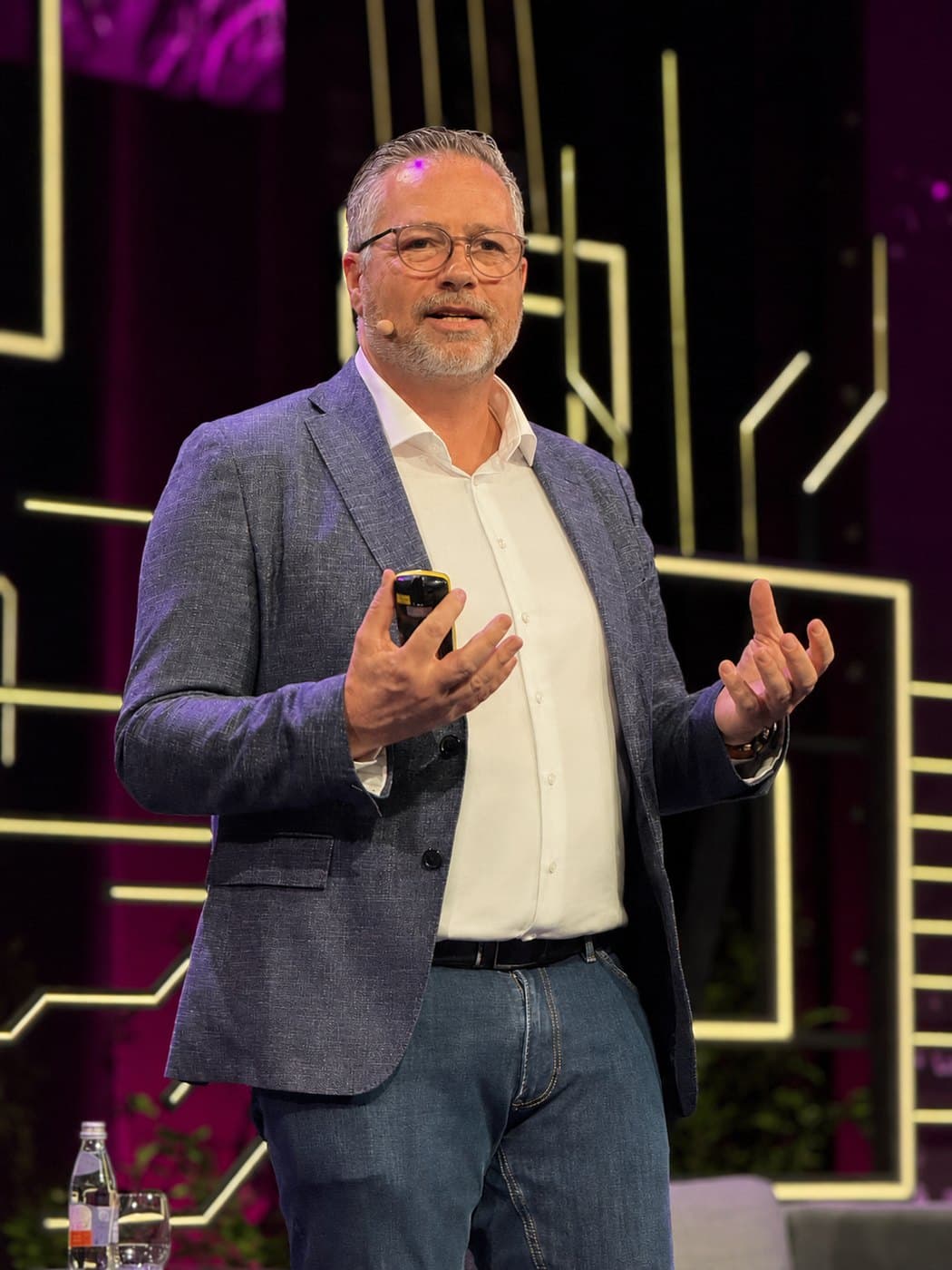
I speak about what happens between healthcare innovation and healthcare adoption, and I have been running one talk long enough that it has become the thing organisers ask for.
Secondary topics:
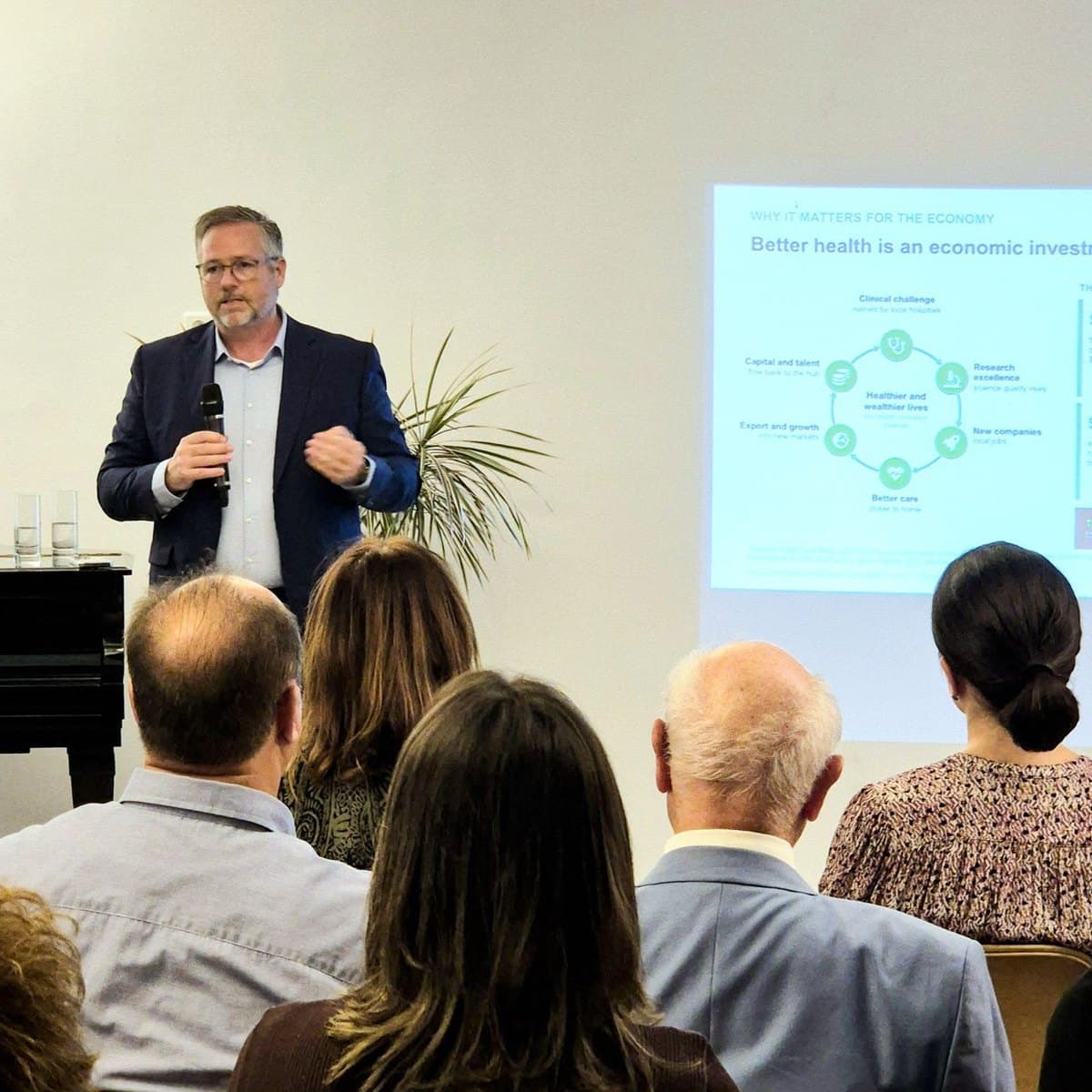
Recent platforms include Deep Tech Atelier, EIT Health Morning Health Talks, Life Sciences Baltics, ViennaUP, HiQ Connect, Health Founders Bootcamp, the HealthVC Summit in Zurich, The Moat in Warsaw, and the Telehealth Connect Summit in Tunis.
Recent engagements
Writing
I write about healthcare commercialisation, health-system economics, European market entry, and what AI changes about building a healthcare company.
Current themes:
Selected pieces:
- The EU Market Entry Playbook for Healthcare Startups Is Broken
- Who Wins in AI Healthcare? The Ten Fault Lines That Will Decide
- 48 Hours to Incorporate. 14 Months to Get Paid.
- Europe's Health Prevention Paradox
- Why Healthcare Consulting Will Divide Faster Than Any Other Industry
Independently verifiable
Work with me
Two conversations are usually worth having.